
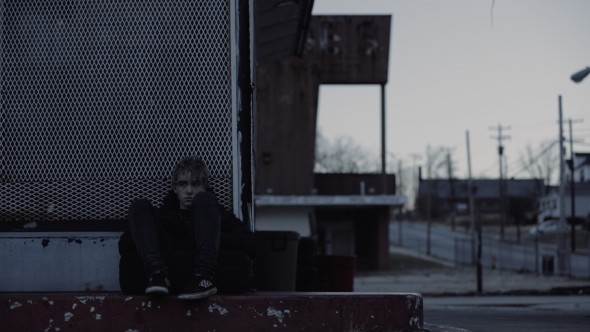
Homeless (Hassler, 2015)
If the quickest metric of a directorial debut is to which films it invites comparison, the news about Clay Hassler's Homeless is very, very good.
If the quickest metric of a directorial debut is to which films it invites comparison, the news about Clay Hassler's Homeless is very, very good.

Eleanor Rigby's conceit—I'm tempted to say "gimmick"—is that it shows their two stories back to back rather than interweaving or cutting between them. Thus it becomes both a Rashomon story and a meditation on how we make and preserve memories. The films are designed to be played in either order, with one screening at TIFF flip-flopping to give us Her and Him.
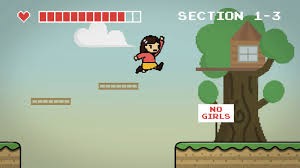
For women who refuse to sit on the sidelines and let men decide what jobs they can have, what opinions they can state, or even what games they can play, threats are hardly few and far between.

A group of cyber friends are terrorized by an anonymous user who may be the ghost of a young woman who committed suicide after they bullied her.

At first the film looks like it might turn into a standard taking sides/issue film, with proponents of dams touting the wonders of hydroelectric power and critics lamenting their effect on wildlife.

In a film filled with contrasts, finding quiet by traveling into the eye of the storm is a central paradox.

I love art, including music. My life has been enriched by it. But I will never, ever, think of a song or a novel or a film, however brilliant, as a fair trade for someone else's suffering.

The Imitation Game can't decide if it wants to be about Alan Turing's life or his work, so it does a little of both, neither particularly well.

A video review of Backcountry, which premiered at the 2014 Toronto International Film Festival.

Nearly everything in the lead up to The Sound and the Fury's (★★★) North American premiere at the Toronto International Film Festival screamed to me to run the other way.